

Returning to Weideng for Nuer peace
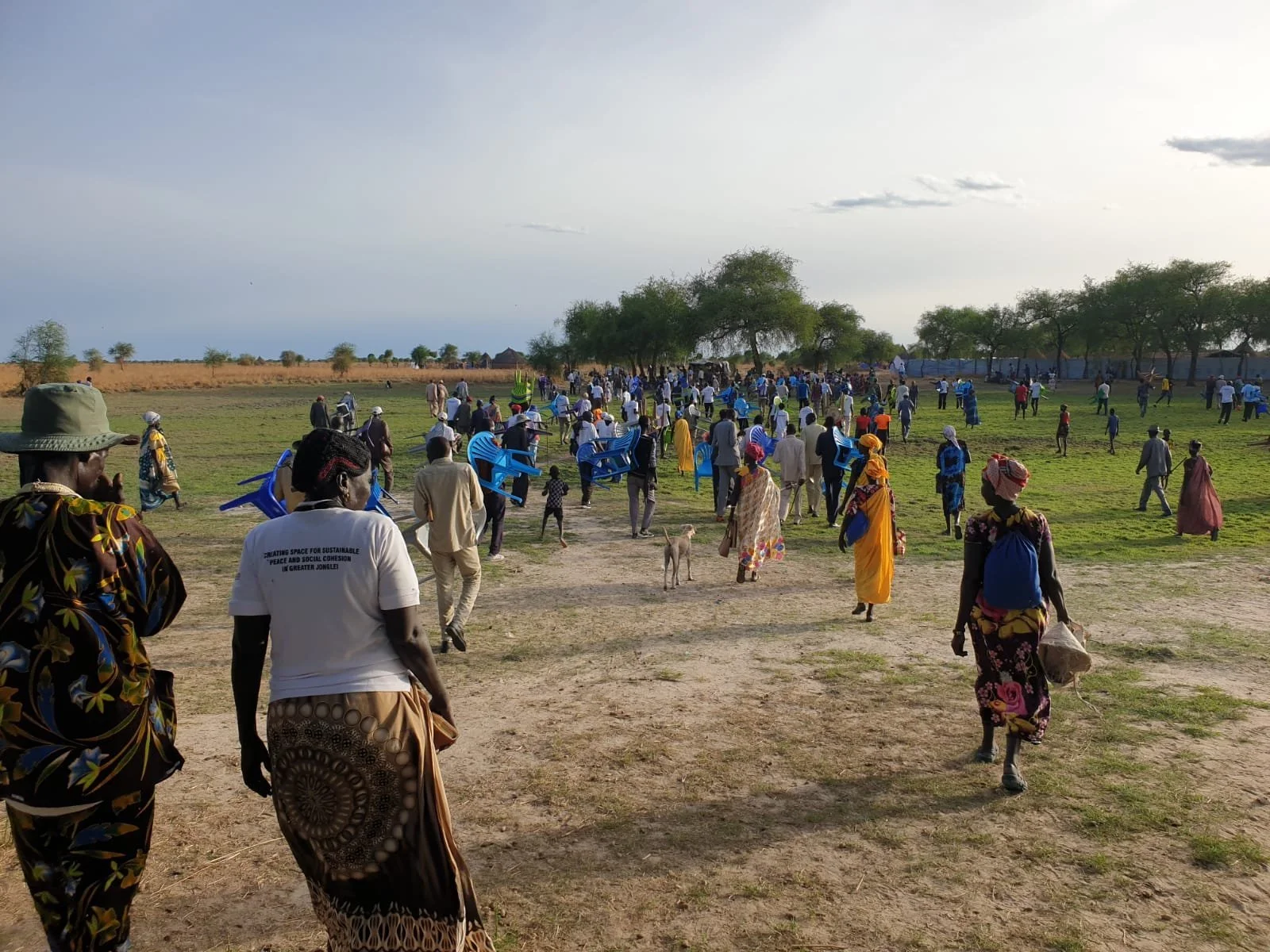
Weideng is home to the shrine of the Nuer spiritual leader Ngundeng and represents a historical and spiritual focal point for the wider Nuer community. 26 May - 01 April, Nuer from Ayod, Nyirol, Uror, Akobo and Ulang came to Weideng for a peace Conference culminating months of local pre-dialogues.
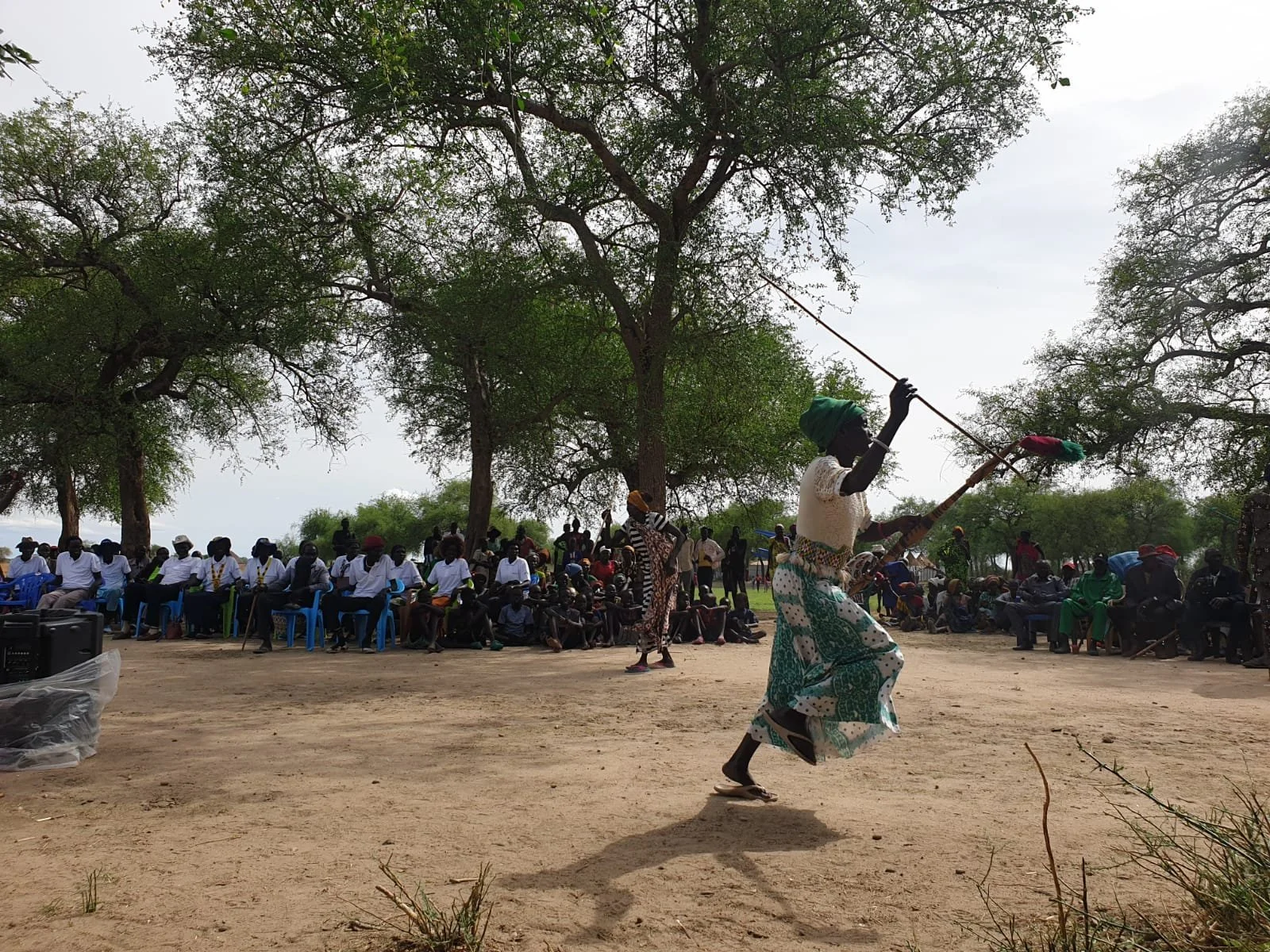
The dynamics of conflict in the wider area of Jonglei and GPAA are impacted not only by the prominent inter-communal dynamics, but also the internal conflicts of different communities. With communities reluctant to engage directly across ethnic divisions over the last three months, peace partners have shifted the emphasis to these internal dynamics.
On the Nuer side, a series of pre-dialogues – within the Lou, Gawaar and Jikany, respectively and between the Lou and Gawaar – culminated in a final conference from 28 April to 02 May in Weideng, Nyirol.
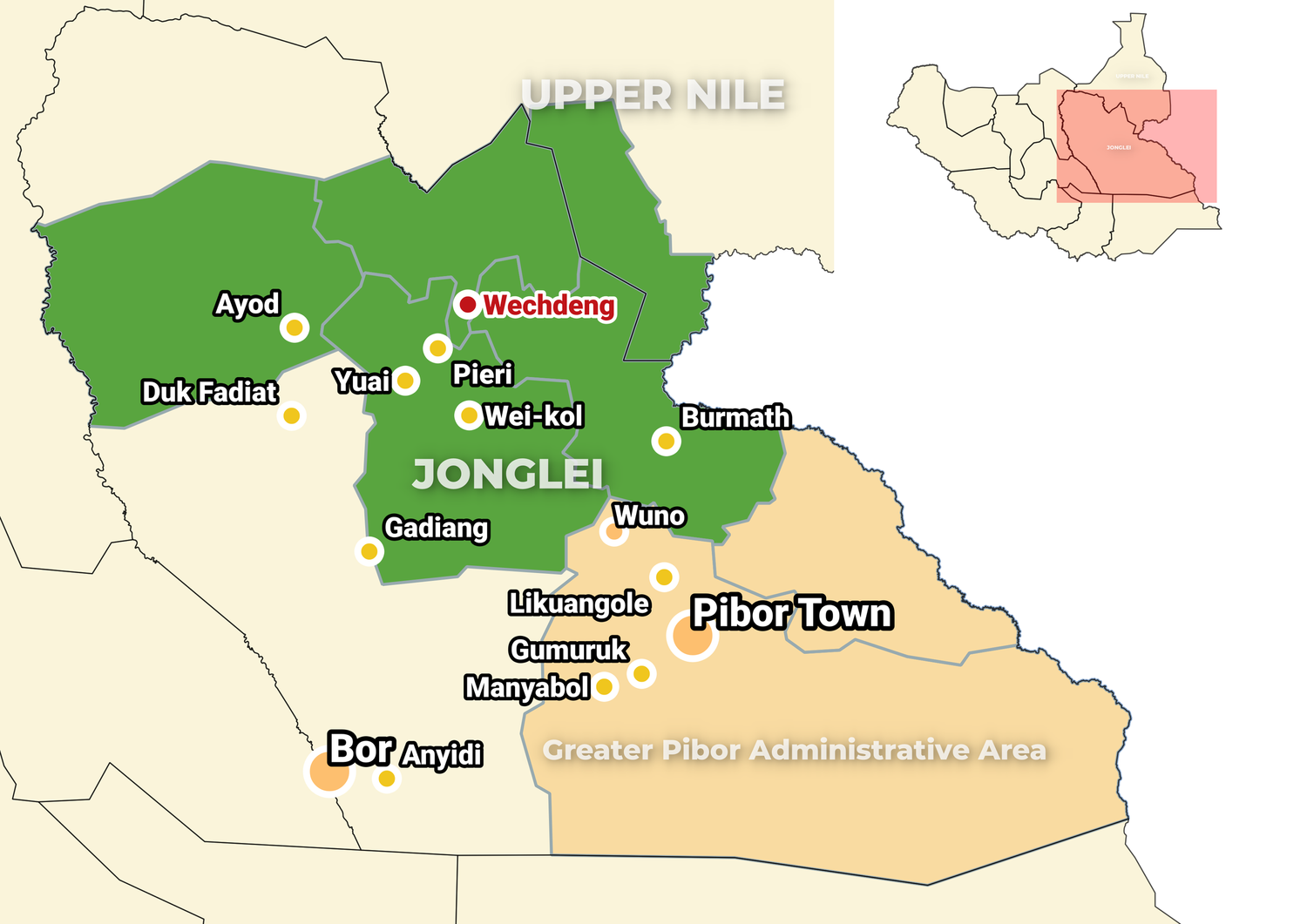
Weideng (‘Wechdeng’ on the map below) is home to the shrine of the Nuer spiritual leader Ngundeng and represents a historical and spiritual focal point for the wider Nuer community. As part of the lead-up to the Conference, USAID supplemented its dialogue support with resources to refurbish the Shrine precinct. This investment renewed the potential of the area as a hosting space for such initiatives.
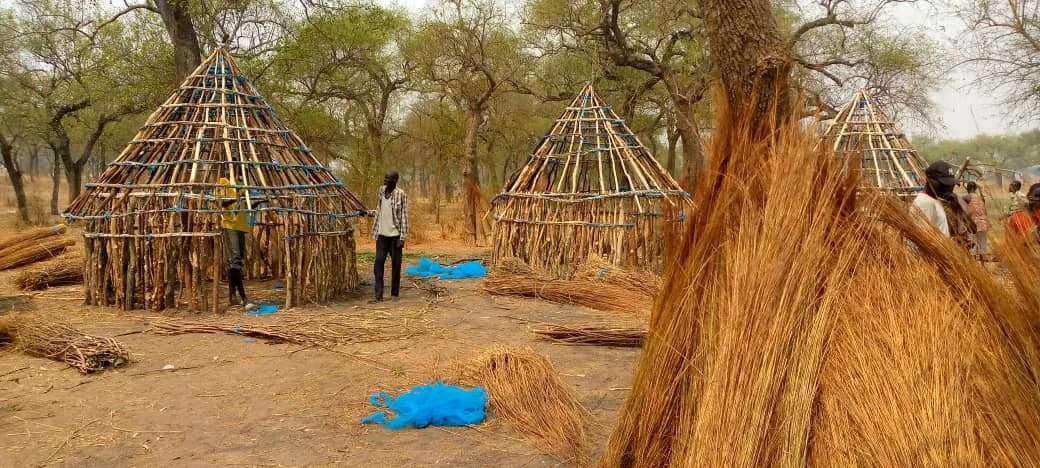
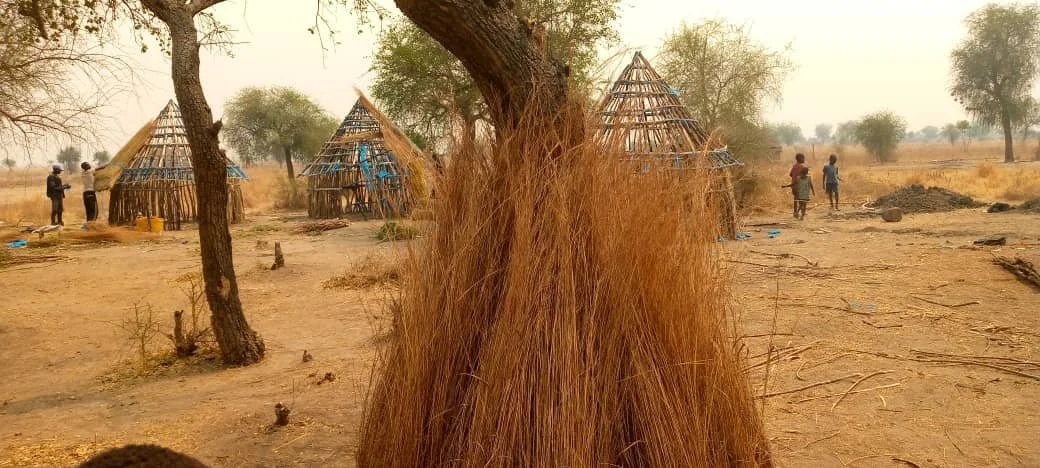
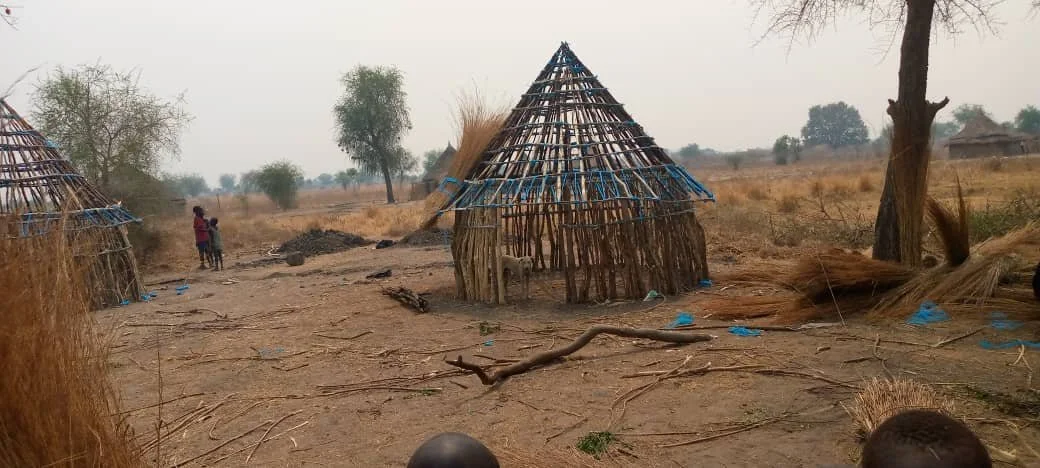
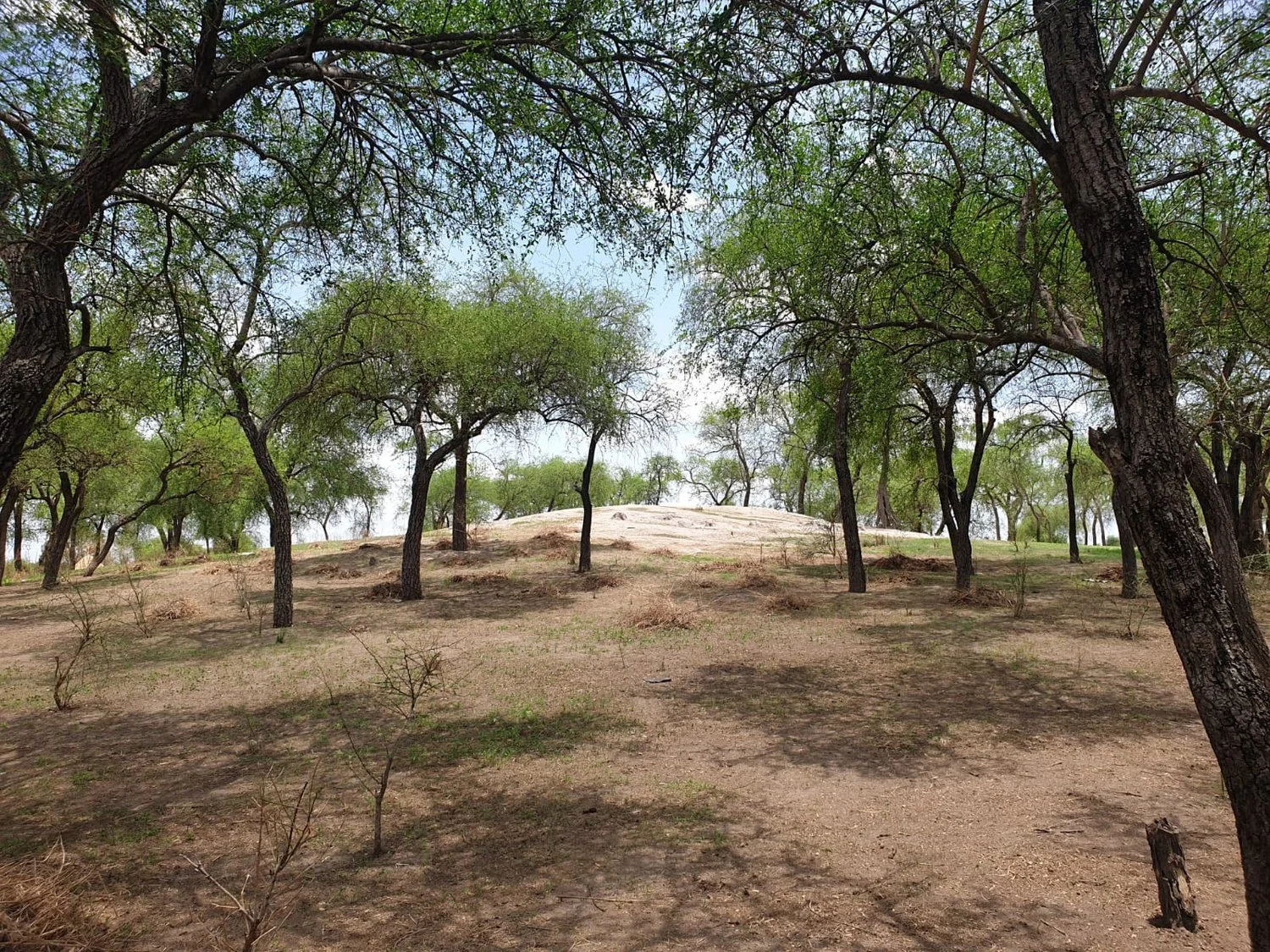
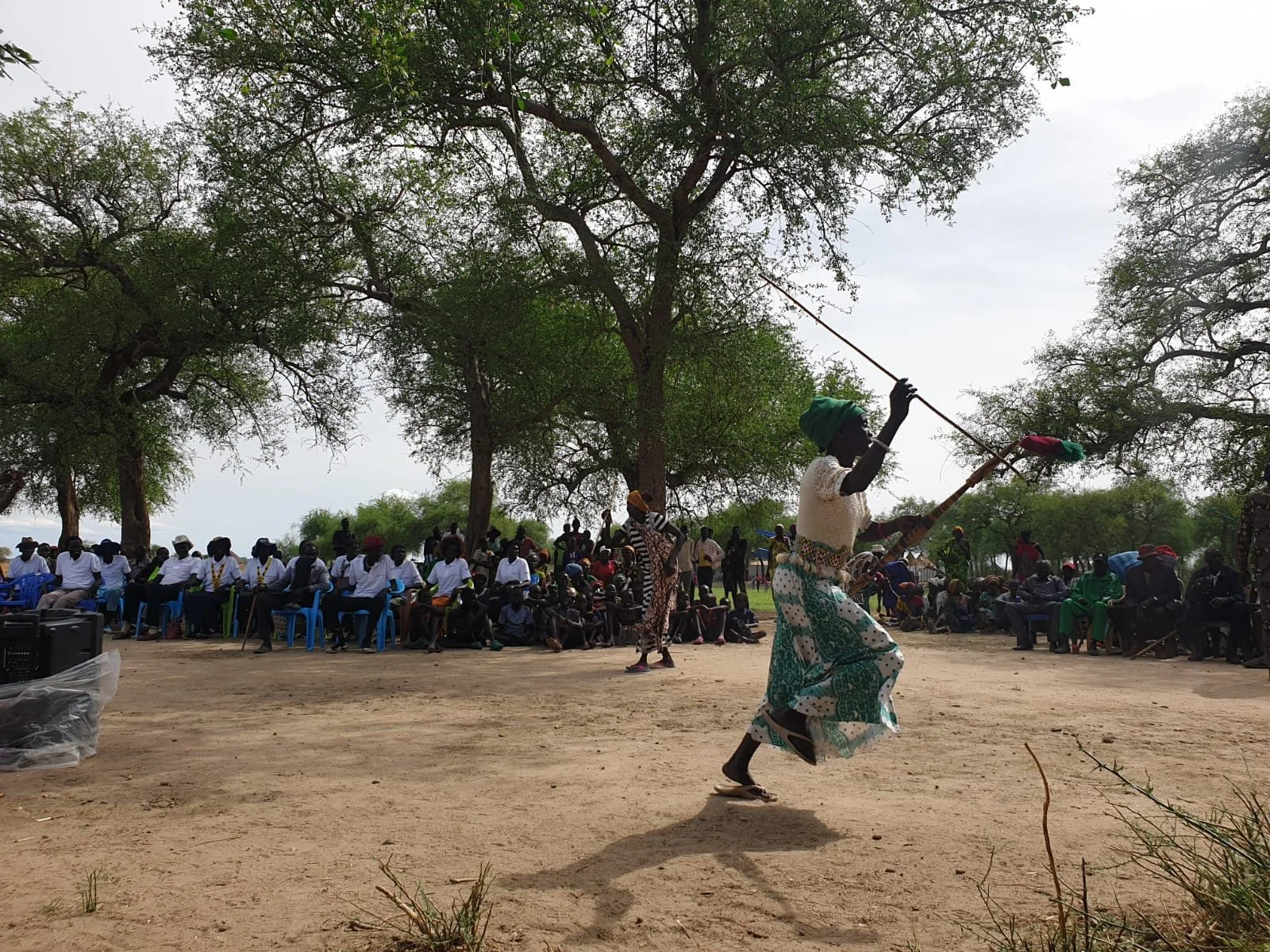
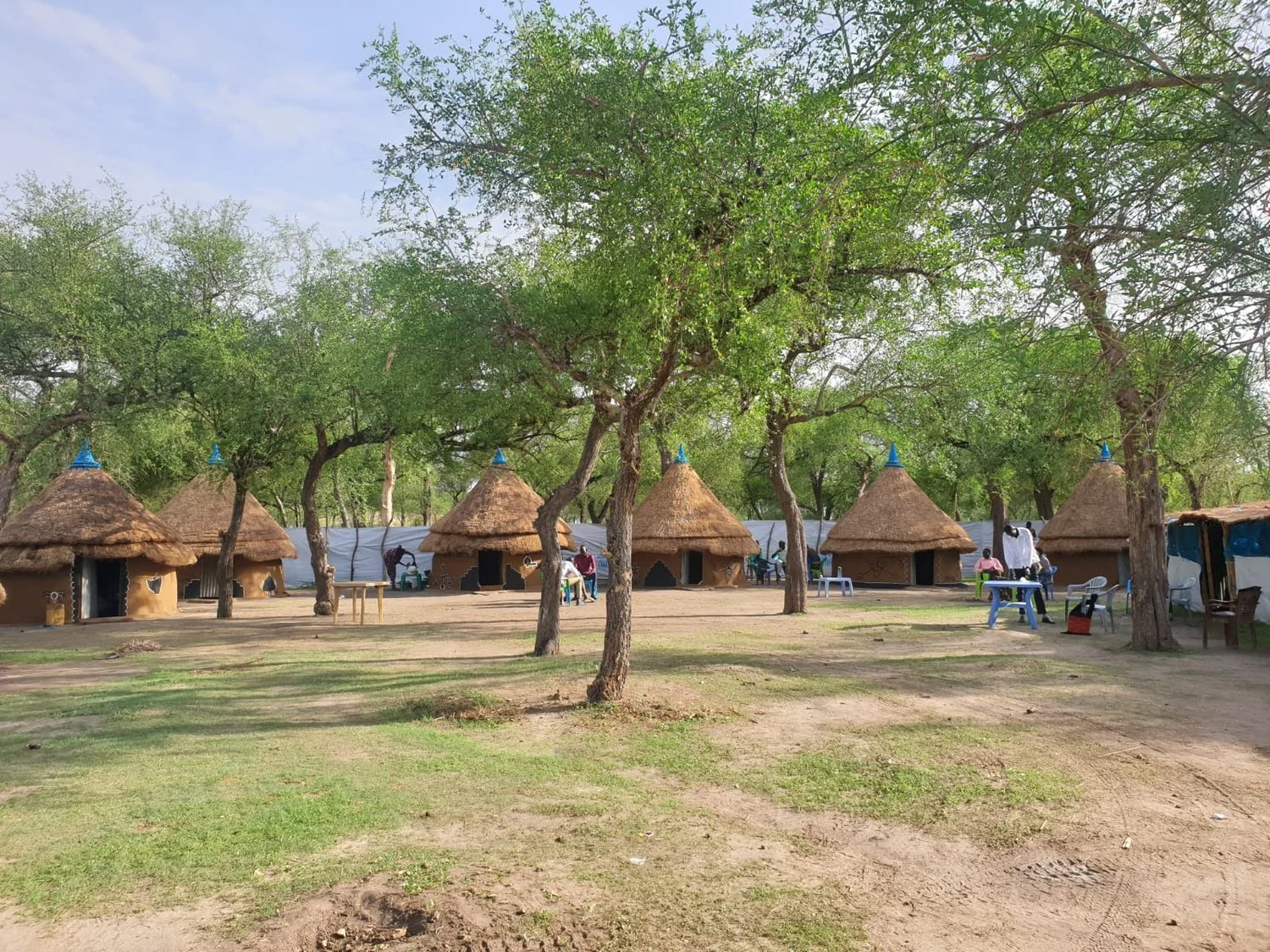
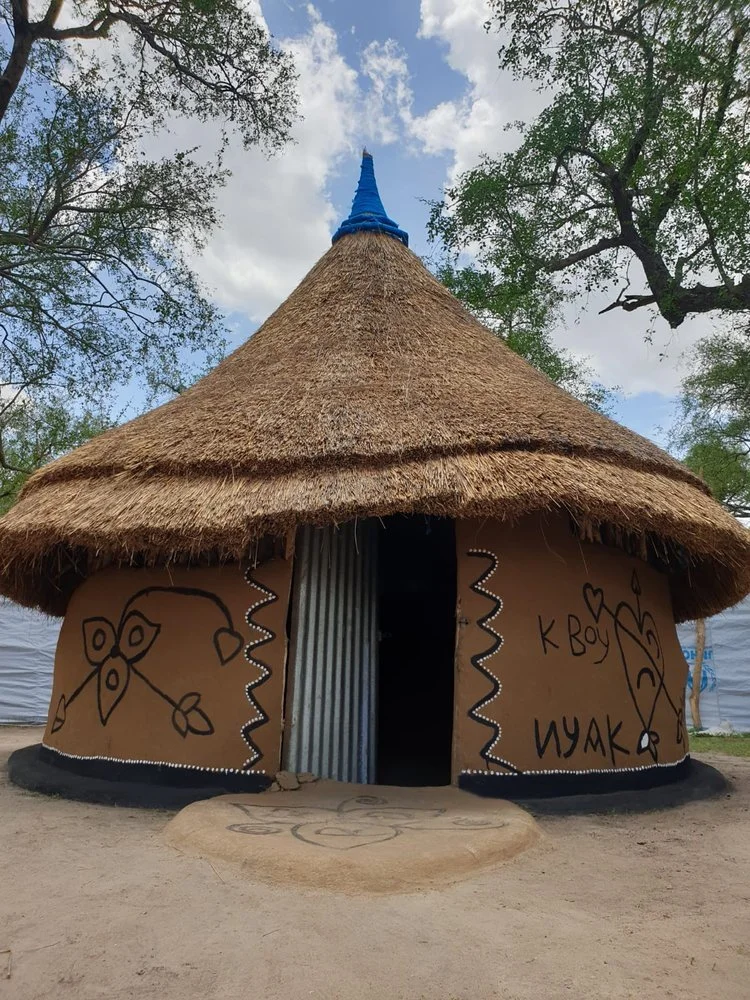
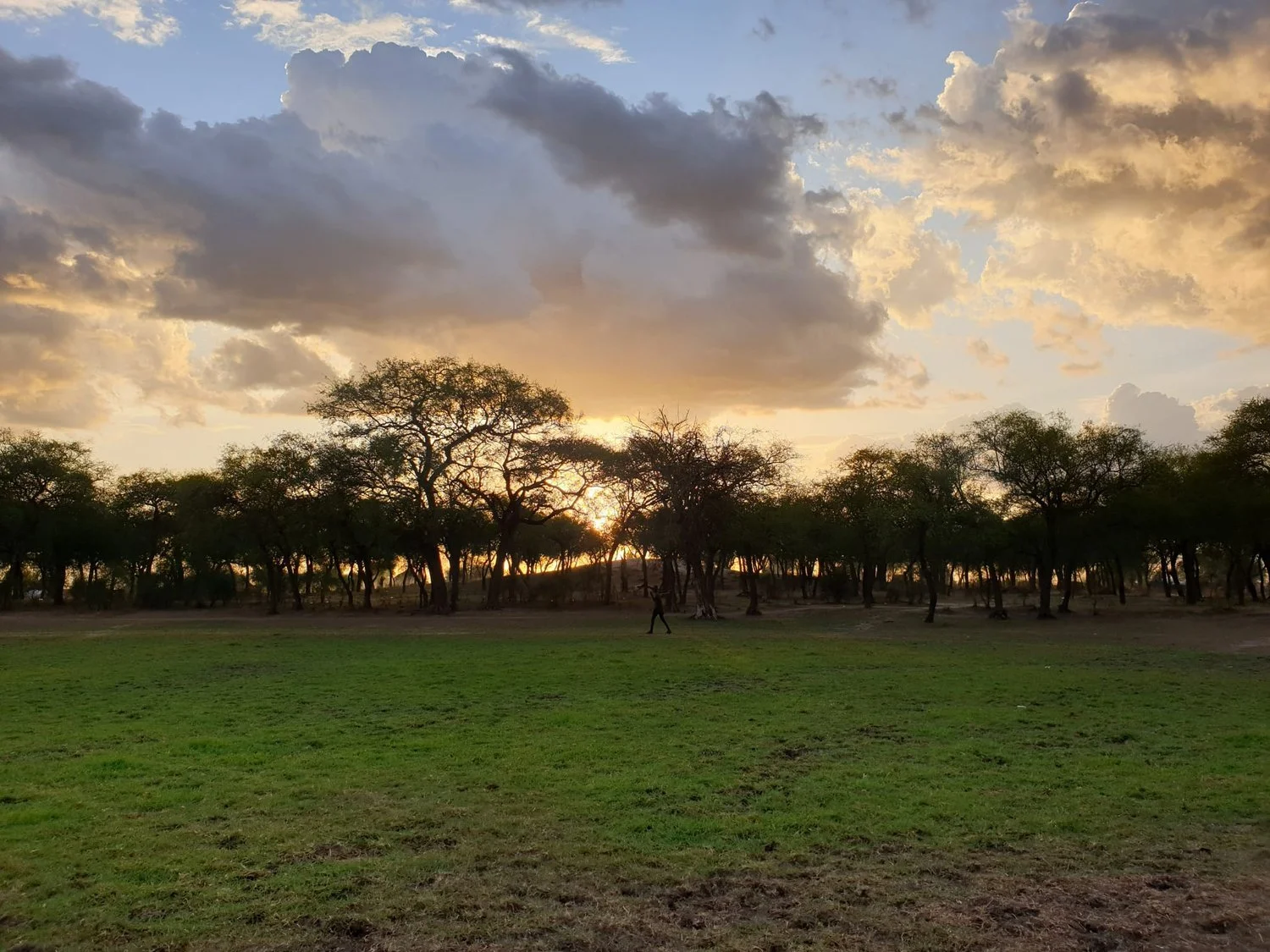
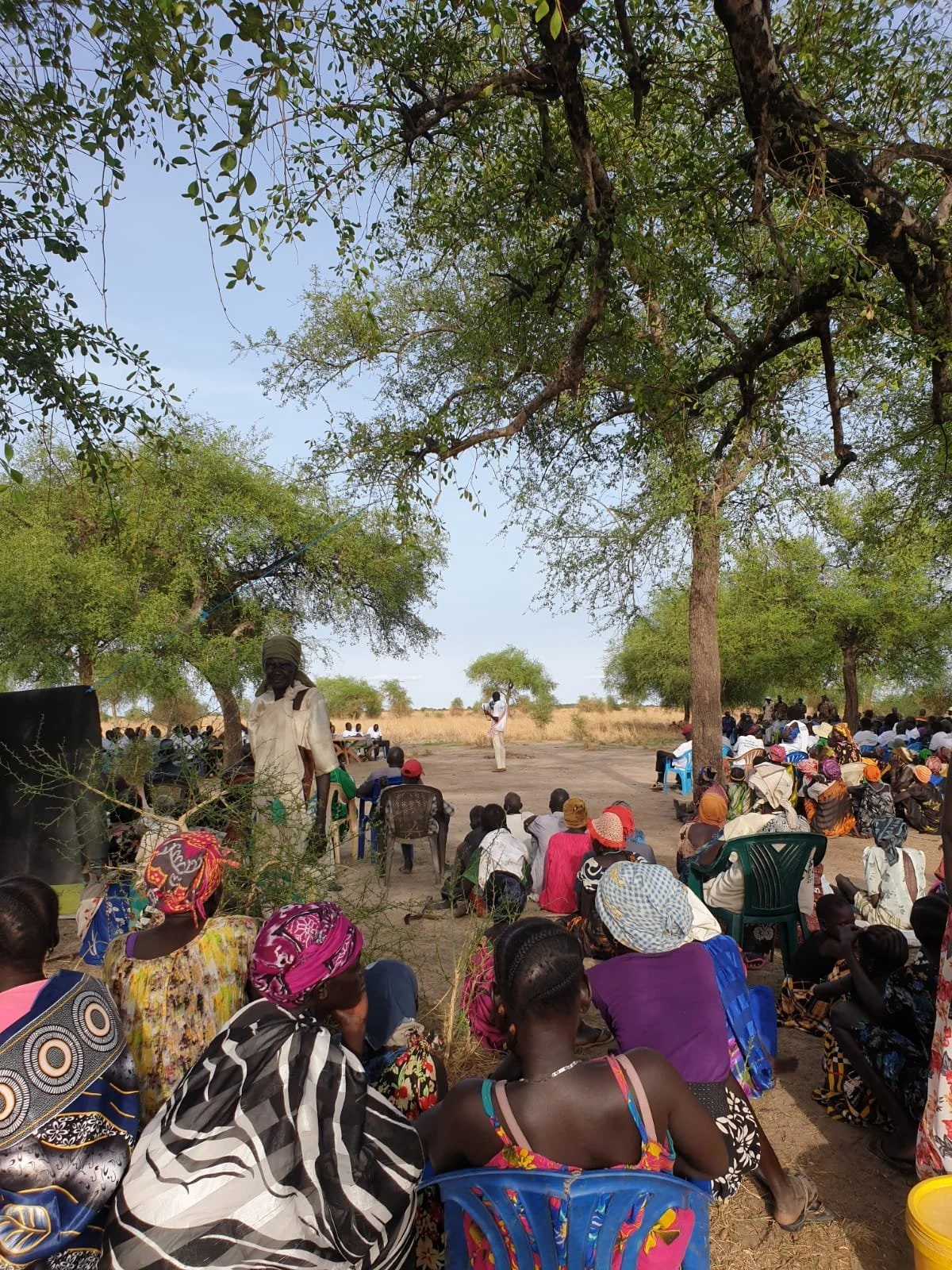
With this unifying symbolism as the backdrop, 125 official representatives of the three communities met to discuss pathways to a sustainable internal peace, as well as ways forward in their relations with their Murle neighbours. The official delegates were joined by several hundred others, some walking days to witness the event.
The three days of discussion outlined the communities’ frustrations – with each other and with the different strands of their leadership. Blame was thrown to women, to traditional leaders, to youth and to formal authorities in the government. Progress became possible as a number of speakers began to accept responsibility for their part in the ongoing conflict. In particular, several Lou leaders acknowledged unprovoked attacks against Gawaar from their community, and appreciated the forebearance shown by the Gawaar community in response.
At the same time, Lou leaders noted that these criminals were only a small minority of the Lou community, and asked that the whole community not be painted with the same brush. There are echoes of the same narrative presented to the Lou by the Murle, who accept responsibility for ongoing raids coming out of Nanaam but insist they are not sanctioned by the community as a whole. The double standards were noted in side discussions, and the Conference as a whole rejected mass mobilisation. Noting the close links historically with the Murle, including stories from Ngundeng himself, the Nuer agreed that Murle representatives should come to Weideng for further discussion on the way forward.
The rejection of mobilisation is signed and agreed on paper, with the community clearly understanding it would set back their own interests significantly. But the underground campaign in favour of a mass mobilisation continues, led by some Jonglei armed youth leaders. It remains to be seen whether the community will continue to stand up to these efforts to undermine their interests.
Returning to the internal Nuer questions, the conference built significant momentum around the restoration of Weideng as a focal point for Nuer unity and peacebuilding. Some specific requests have been included in the resolutions, and the Conference has indicated that the next annual gathering will take place in Weideng again in early 2023. A key focus of the preliminary discussions in the meantime will be the review of Nuer customary law, which all agreed is necessary.
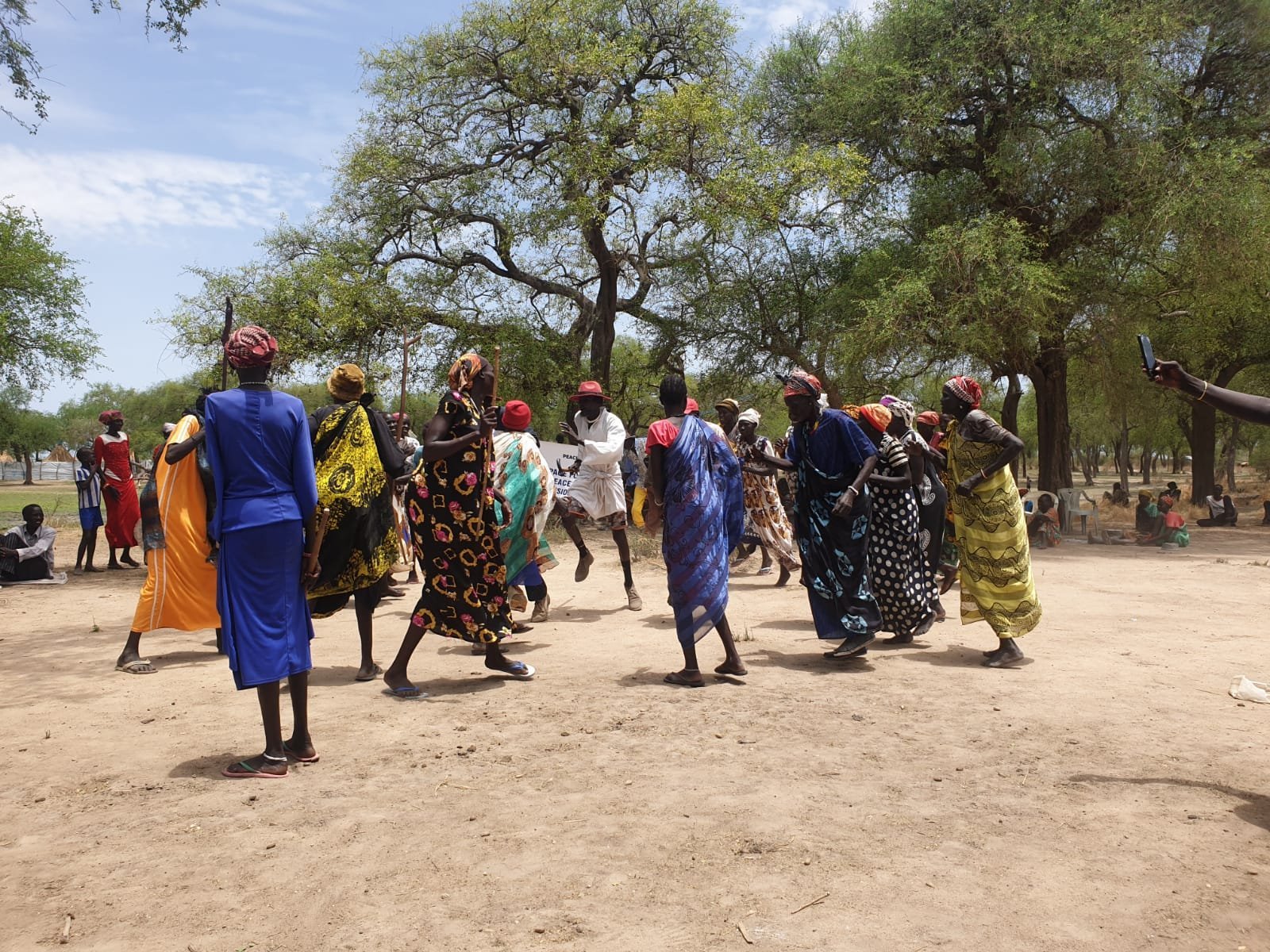
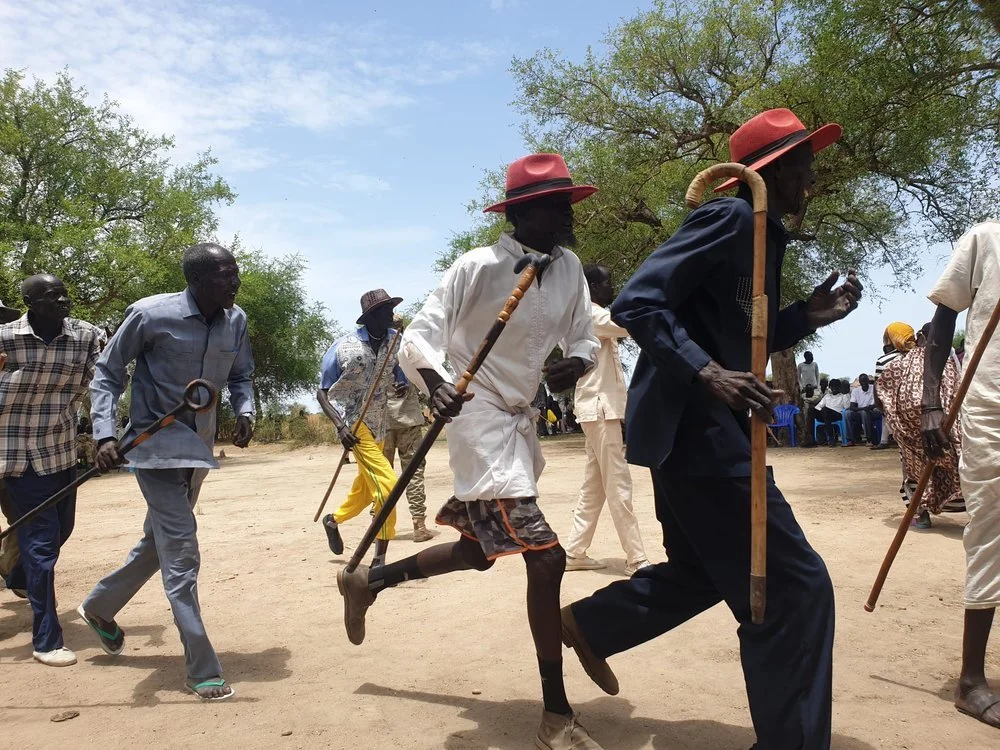
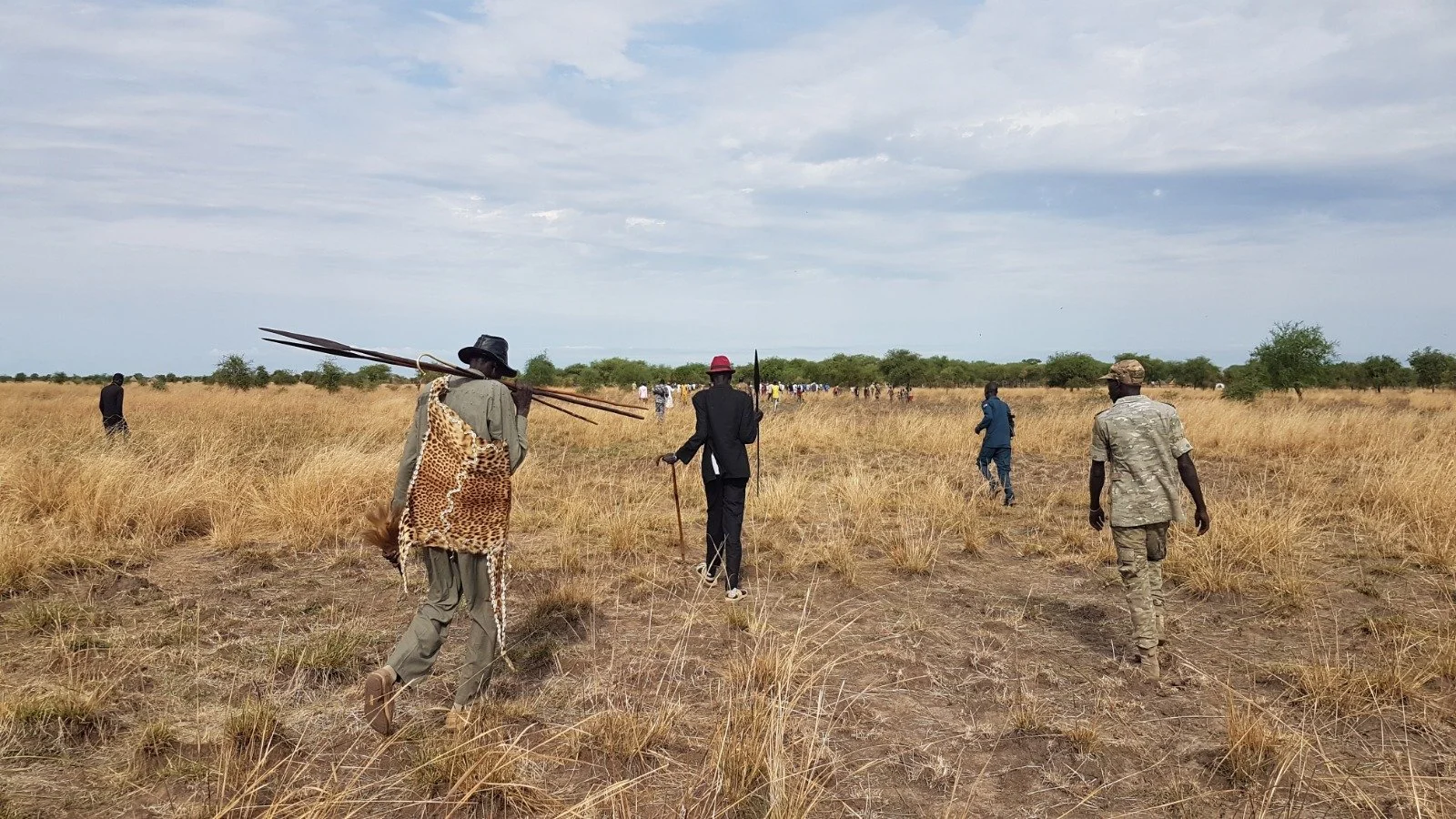
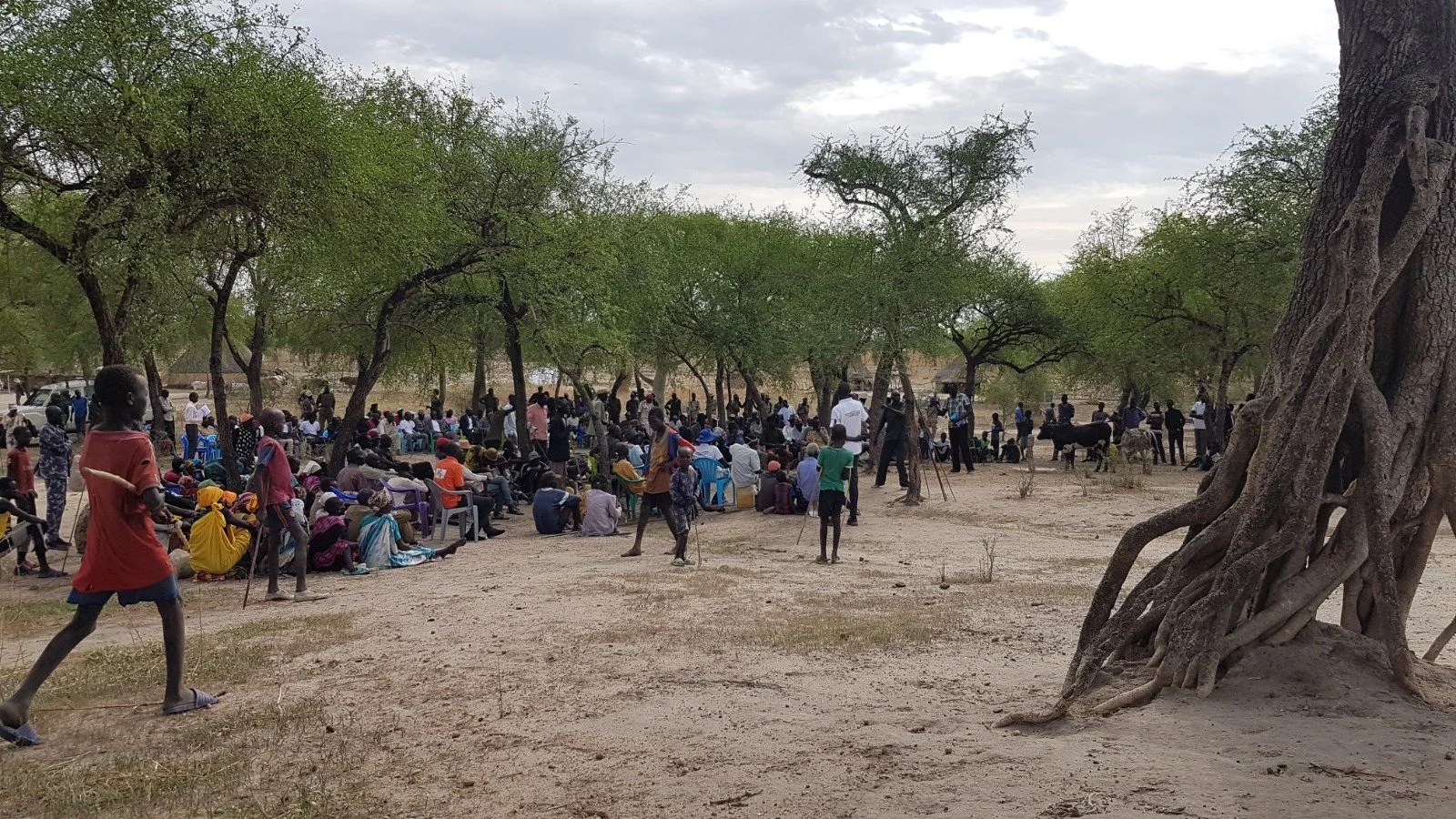
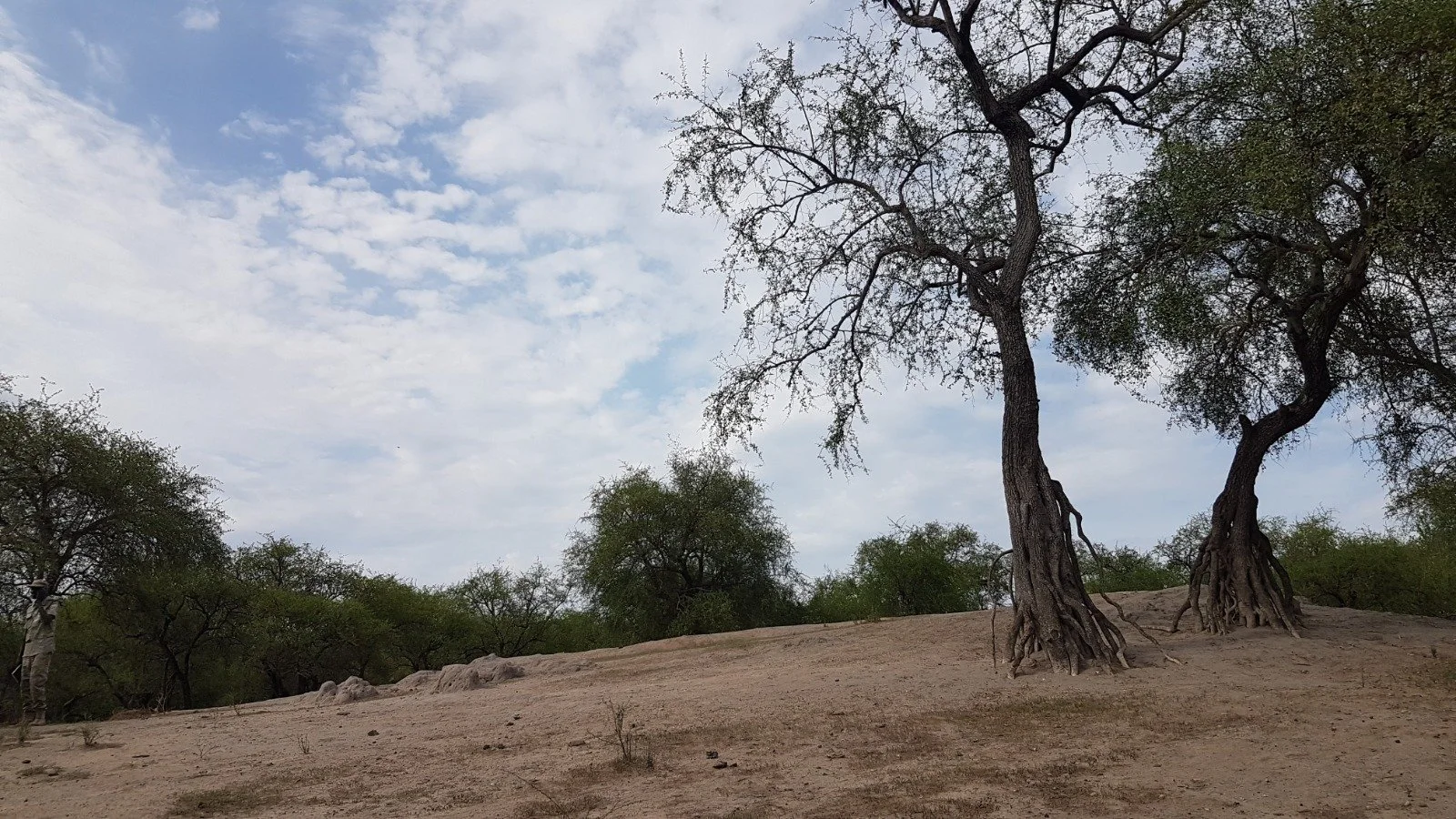
On the final morning, a series of rituals were conducted to finalise the agreement; both in the bush as a sign against thieves and then at the shrine itself. It is not the first time in the last year a Conference has ended on a high note, with consistent challenges around implementation. In this case, the greatest risk is a mass mobilisation, which would likely mean live-saving food distributions are put on hold for security reasons, deaths of youth in far greater numbers than the small-scale attacks at present, villages on both sides destroyed, and more difficulty for peace partners to support rebuilding in the short term.