

Our
approach
Community-led peacebuilding
Peace Canal envisions peaceful and self-reliant communities that promote rule of law and inclusive community-led governance structures, responsive to their needs.
Our Vision
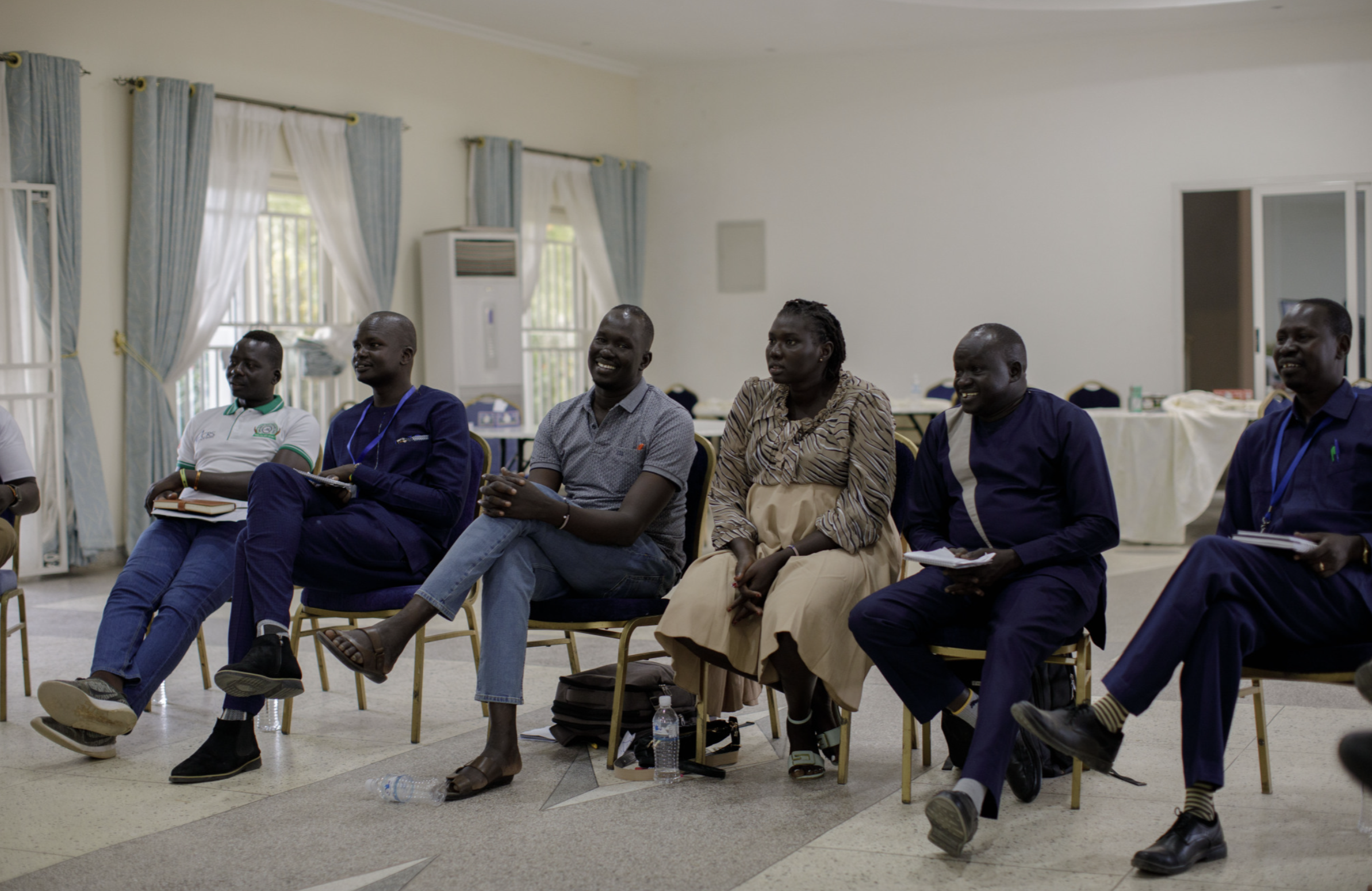
We are diverse team with in-depth understanding of different conflict dynamics, cultures and community structures in conflict transformation.
We are working on reconciliation, community resilient livelihood programs, and capacity building of local institutions and community peace structures, towards just, equitable and sustainable peace in South Sudanese communities, and beyond.
We work through a community centred approach, where traditional peacebuilding practices are embedded, alongside cattle camp and town youth, women, chiefs and spiritual leaders.
We coordinate and partner with the communities’ structures, government (local, state and national), peace partners and other humanitarian actors.
Our mission
Conflict systems
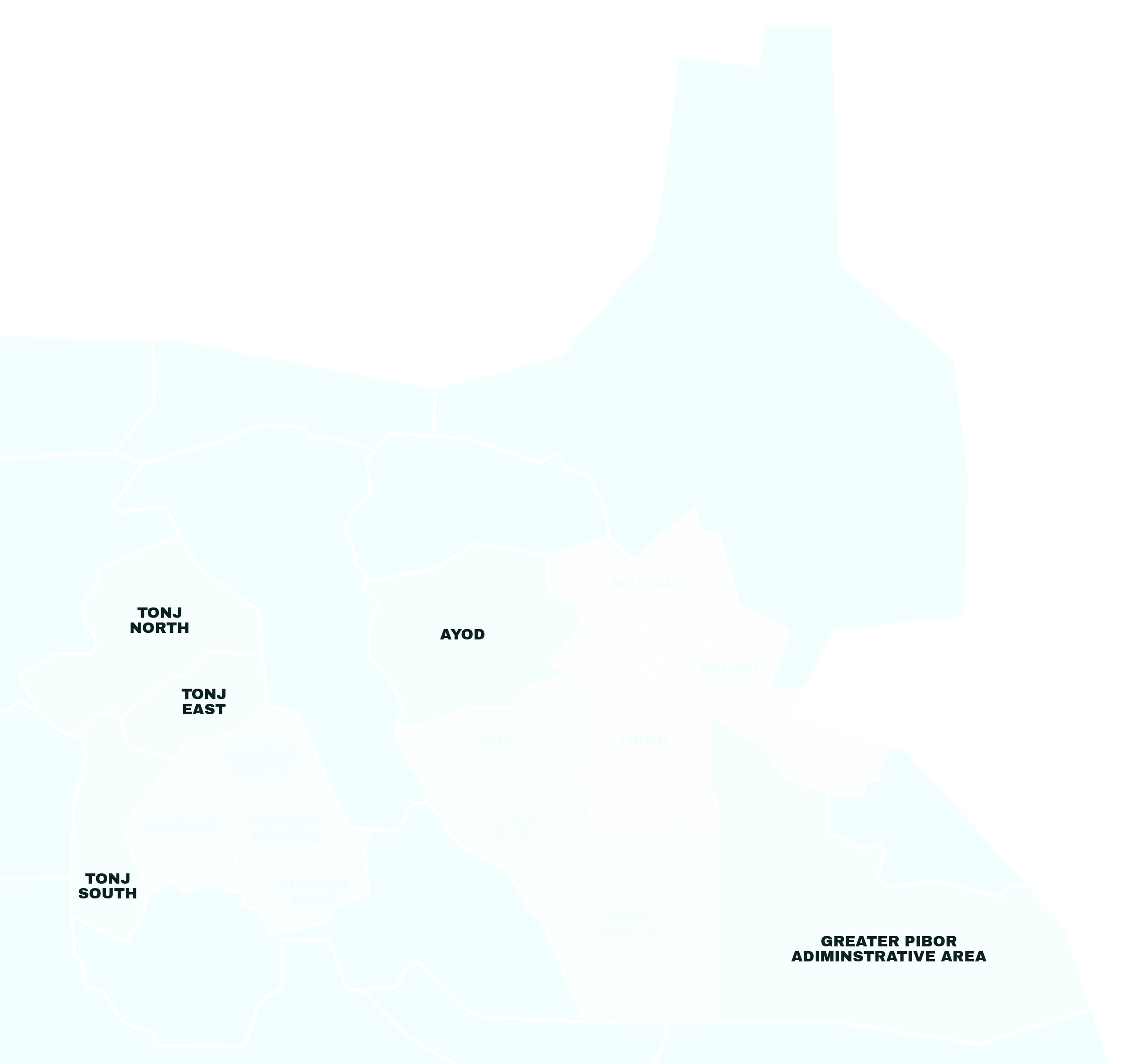
We are currently working in two conflict systems:
System
one
System
two
The Gawaar and Lou Nuer, Dinka of Jonglei and the Murle of Greater Pibor Administrative Area.
The Dinka of Greater Rumbek and Cuiebet in Lakes State
The Dinka Agar
of Greater Rumbek in Lakes State
The Dinka communites
of Greater Tonj.
The communities
of Greater Tonj.
The Gawaar and
Lou Nuer, Dinka and Murle of Jonglei and
the Greater Pibor Administrative Area.
Principles
Design principles
Situating dialogue in a process: dialogue events should only be supported if they are part of a systematic process with clear accountability mechanisms.
Addressing historical memory: dialogue is more effective where there is a structured element of dealing with the past.
Learning from other relevant South Sudanese experiences and traditions: despite contextual differences there is value in sharing dialogue experiences across locations.
Working with communities and youth to identify relevant and meaningful livelihoods opportunities: progress in social relationships can only be sustainable with the realisation of substantive peace dividends.
Partnering principles
Engaging those directly responsible for initiating violence: the risks of engagement with armed actors need to be overcome.
Working through traditional structures, practices and leadership: prioritising and valuing traditional conflict management mechanisms at the community level.
Engaging government and preserving community ownership: maintaining an authorising environment through engagement with government – particularly the State Ministries of Peacebuilding – and elites; keeping them updated, and maintaining ownership at the community level.
Working with trusted local partners: taking time to understand and triangulate the dynamics of the local actors, then working closely alongside those who can facilitate entry points
Operational principles
Situating dialogue in a process: dialogue events should only be supported if they are part of a systematic process with clear accountability mechanisms.
Addressing historical memory: dialogue is more effective where there is a structured element of dealing with the past.
Learning from other relevant South Sudanese experiences and traditions: despite contextual differences there is value in sharing dialogue experiences across locations.
Working with communities and youth to identify relevant and meaningful livelihoods opportunities: progress in social relationships can only be sustainable with the realisation of substantive peace dividends.