

Five Years of Building Peace Along the Cattle Routes
Every year, more than one million cattle move across Lakes State in search of grazing land and water. For generations, these seasonal migrations have been essential to livelihoods, but they have also brought communities into competition over scarce natural resources, sometimes leading to violence.
Five years ago, Peace Canal and local communities set out to change that. With support from the Peacebuilding Opportunities Fund, they established the Annual Cattle Migration Conference, creating a space for communities to come together before the migration season begins to agree on practical measures that reduce tensions and prevent conflict.
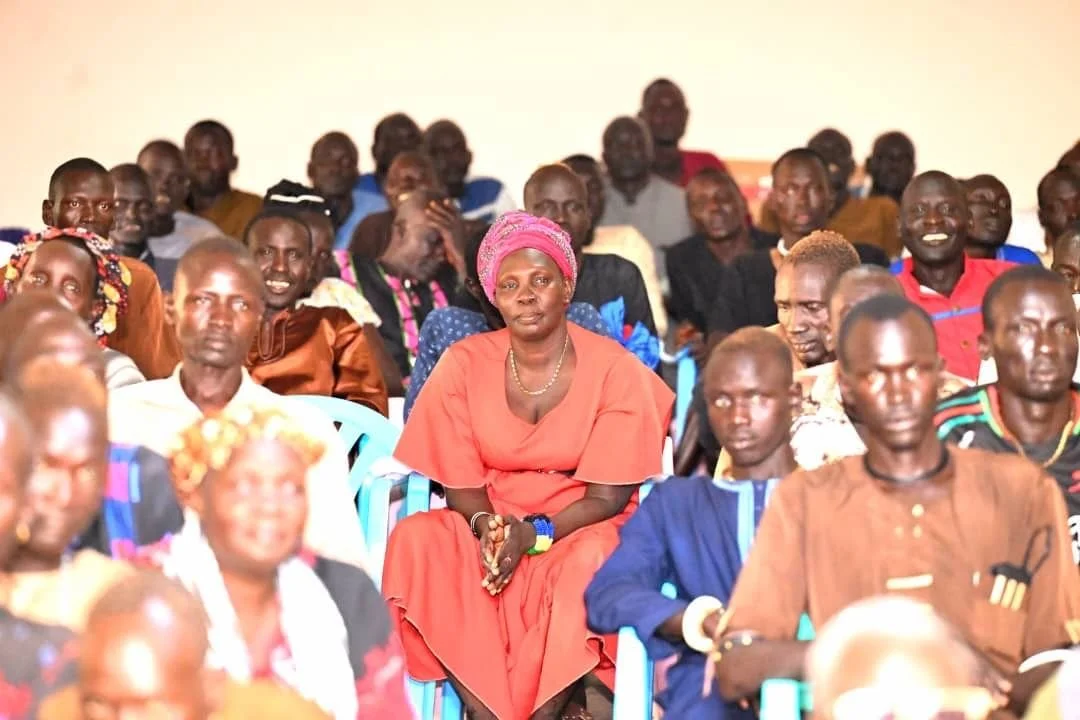
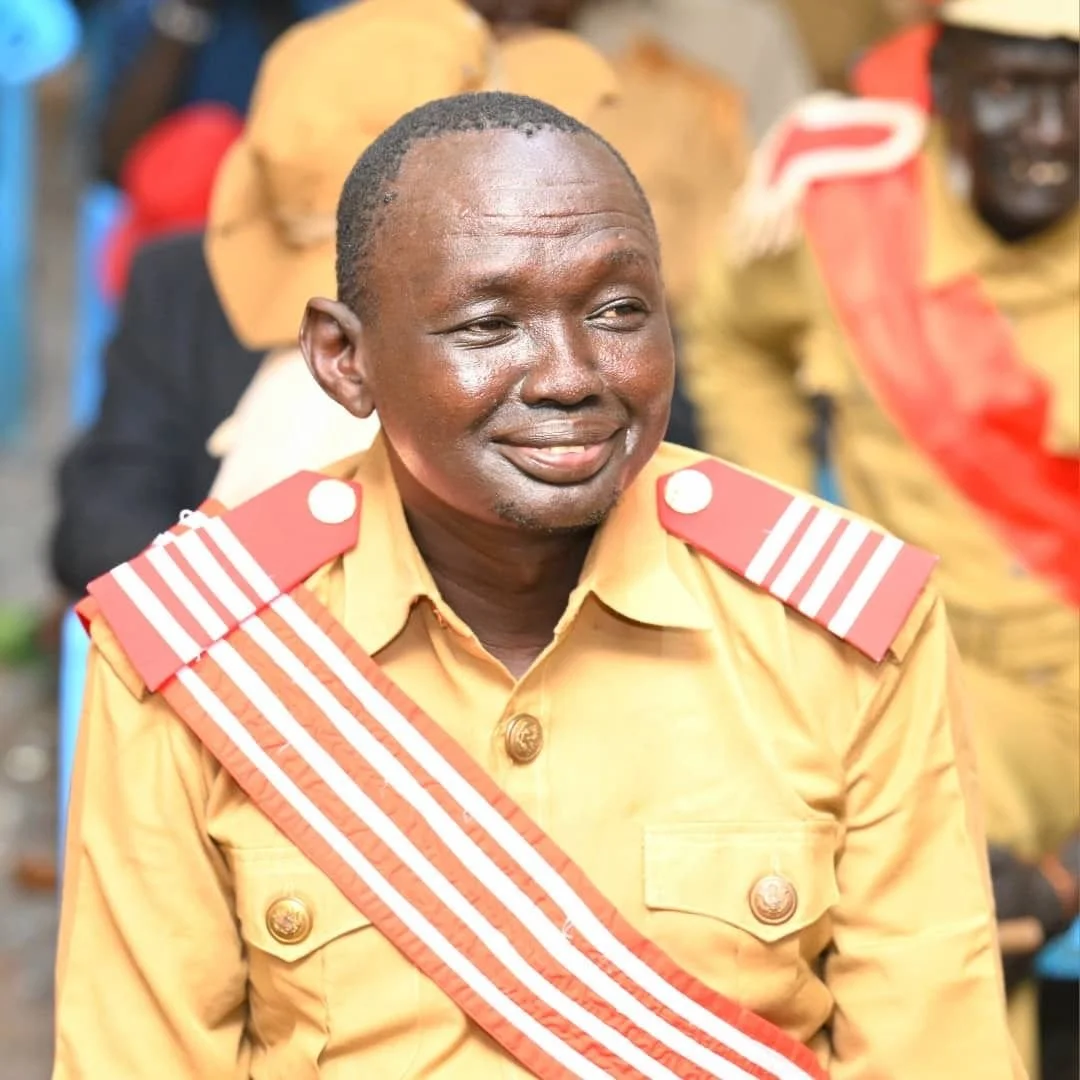
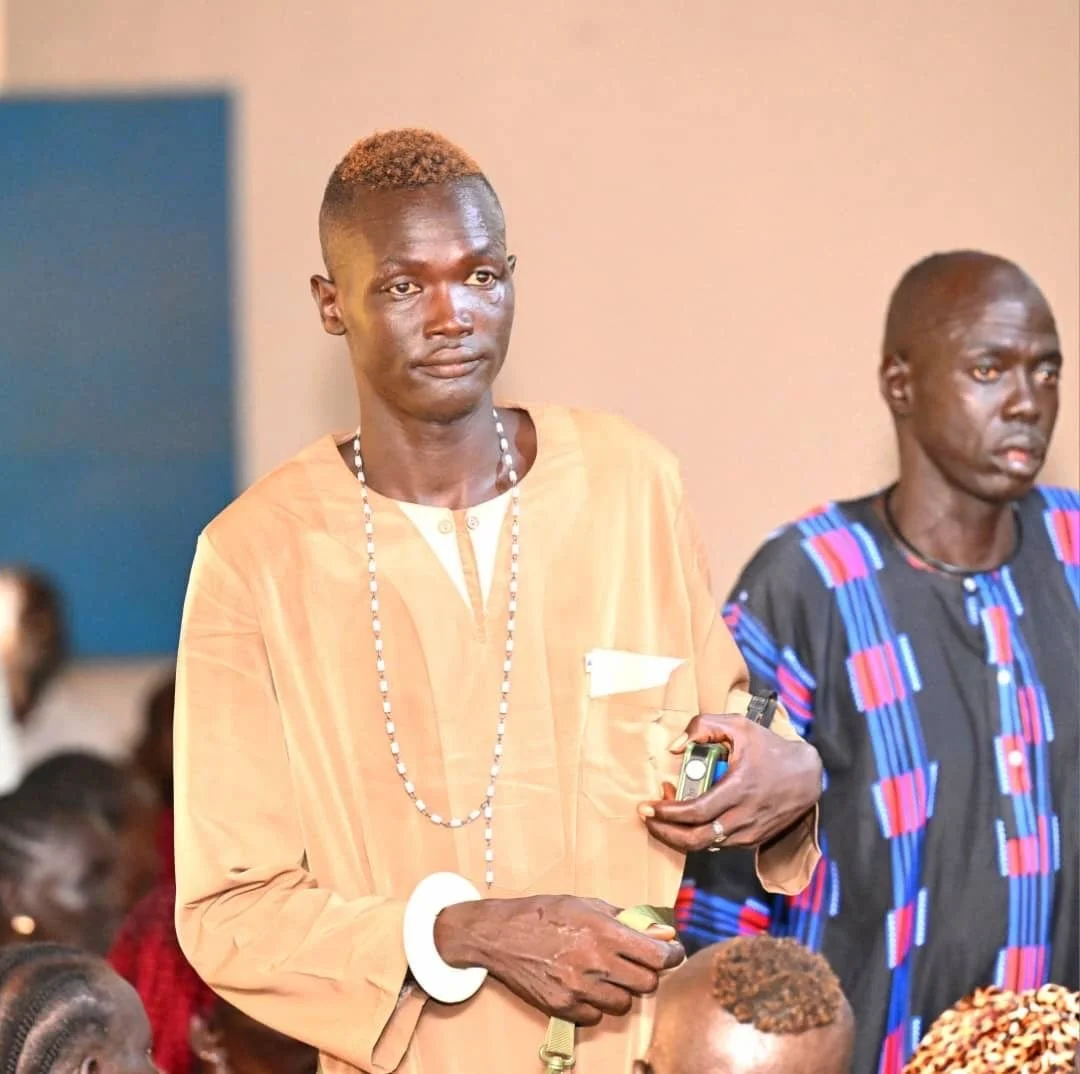
On 2–3 December 2025, representatives from Rup, Pakam, Kuei, Aliamtoc 1, Aliamtoc 2, Belle and, for the first time, Gok of Cueibet County gathered in Rumbek for the 6th Annual Cattle Migration Conference. Chiefs, Gelweng youth, women leaders, government officials and peace partners from Rumbek Centre, Rumbek East, Rumbek North, Cueibet and Wulu reflected on lessons from previous migration seasons and renewed their shared commitment to peaceful coexistence.
The conference reaffirmed a number of practical agreements that have become the foundation of peaceful migration. Participants committed to respecting agreed cattle routes, preventing cattle raiding and revenge attacks, protecting farmers' crops, strengthening the role of chiefs and Akut de Door in resolving disputes, and promoting accountability, cooperation and mutual respect between communities.
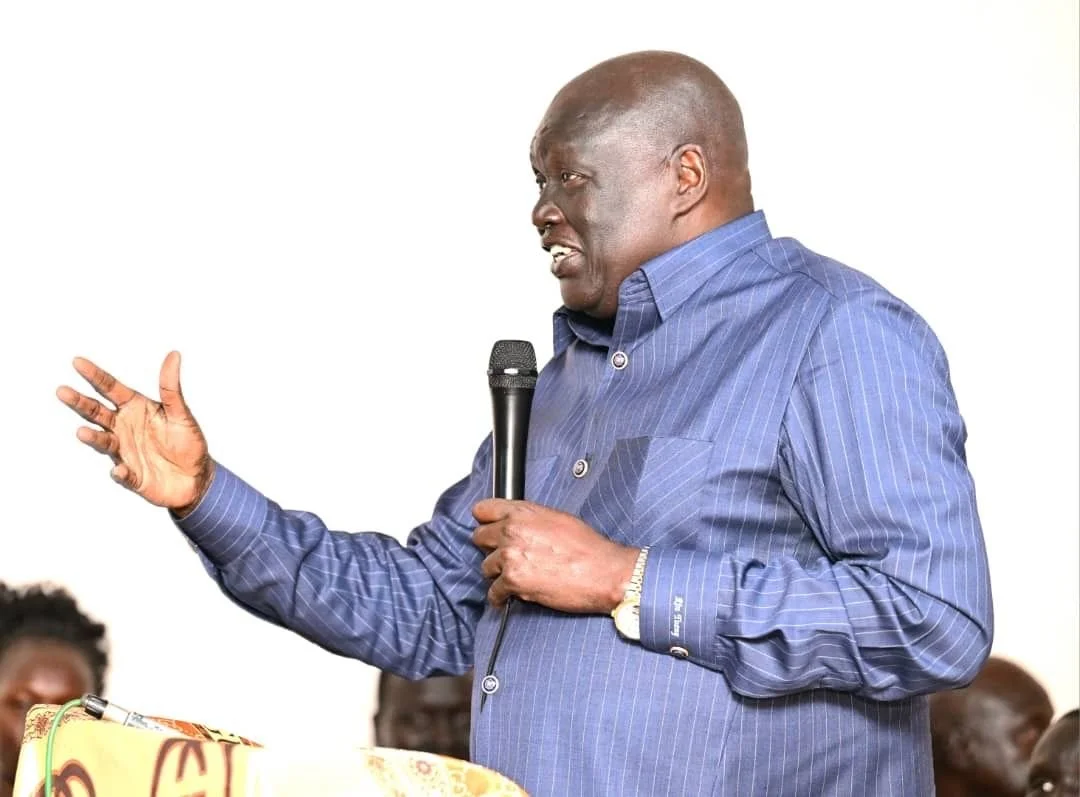
The conference was honoured by the participation of H.E. Lt. Gen. Rin Tueny Mabor, Governor of Lakes State, who reminded participants that ending cattle theft and violence is a shared responsibility. He encouraged communities to continue spreading messages of peace, engage those who remain outside the process, and uphold the law to ensure the safe movement of cattle to the Töc.
What makes this conference significant is not simply that communities meet each year. It is that the conference has become a trusted mechanism for communities to jointly plan, review and improve one of the most sensitive periods of the year. Each annual gathering builds on the commitments of the last, strengthening relationships, reinforcing local leadership and reducing the risk of conflict before it occurs.
As another migration season begins, communities across Lakes State move forward with stronger relationships, clearer agreements and a shared commitment to keeping both people and cattle safe.