

Community governance meets in Remote GPAA
Snapshots of the Ninth Session of the Inter-Communal Governance Structures
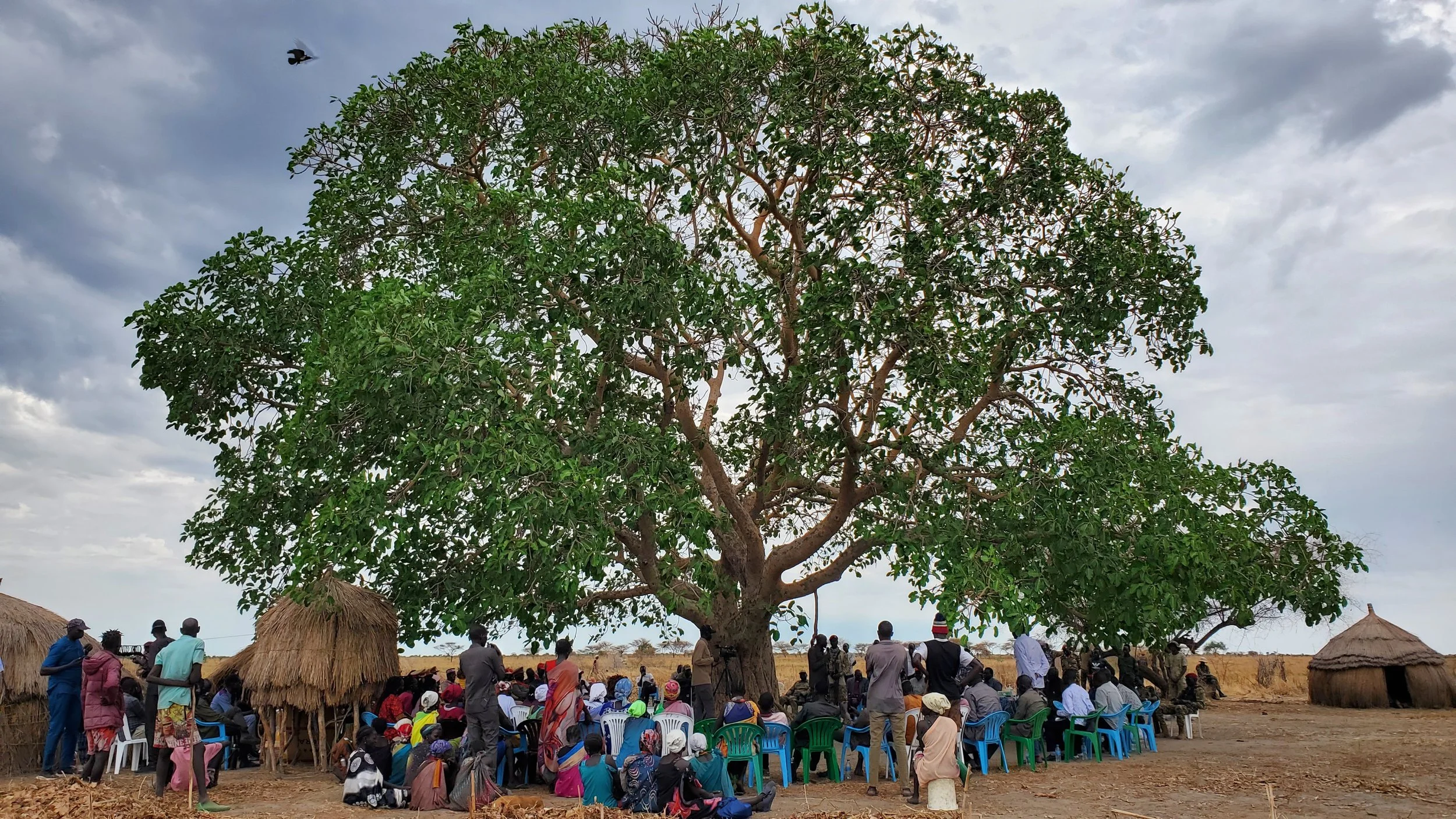
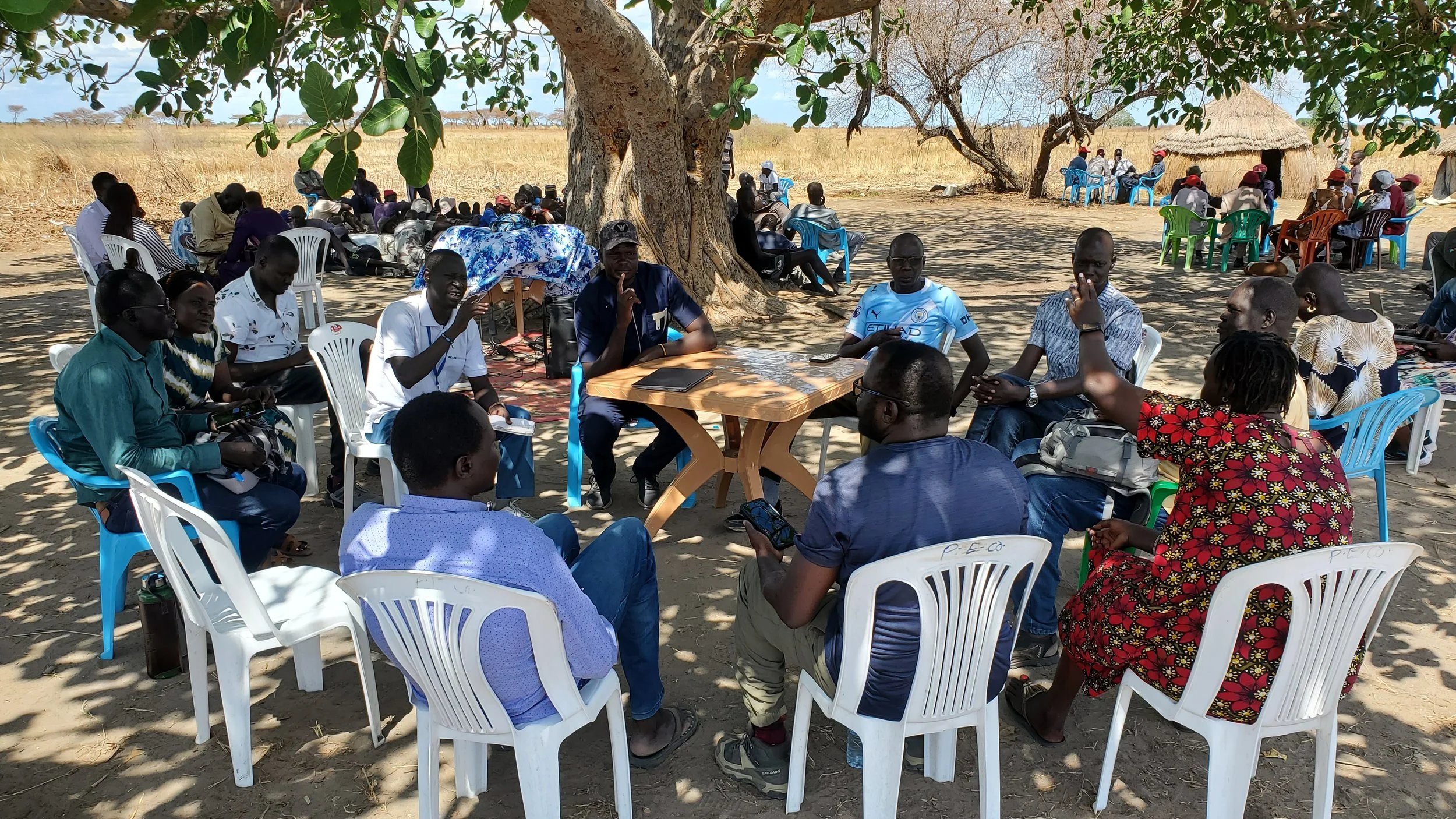

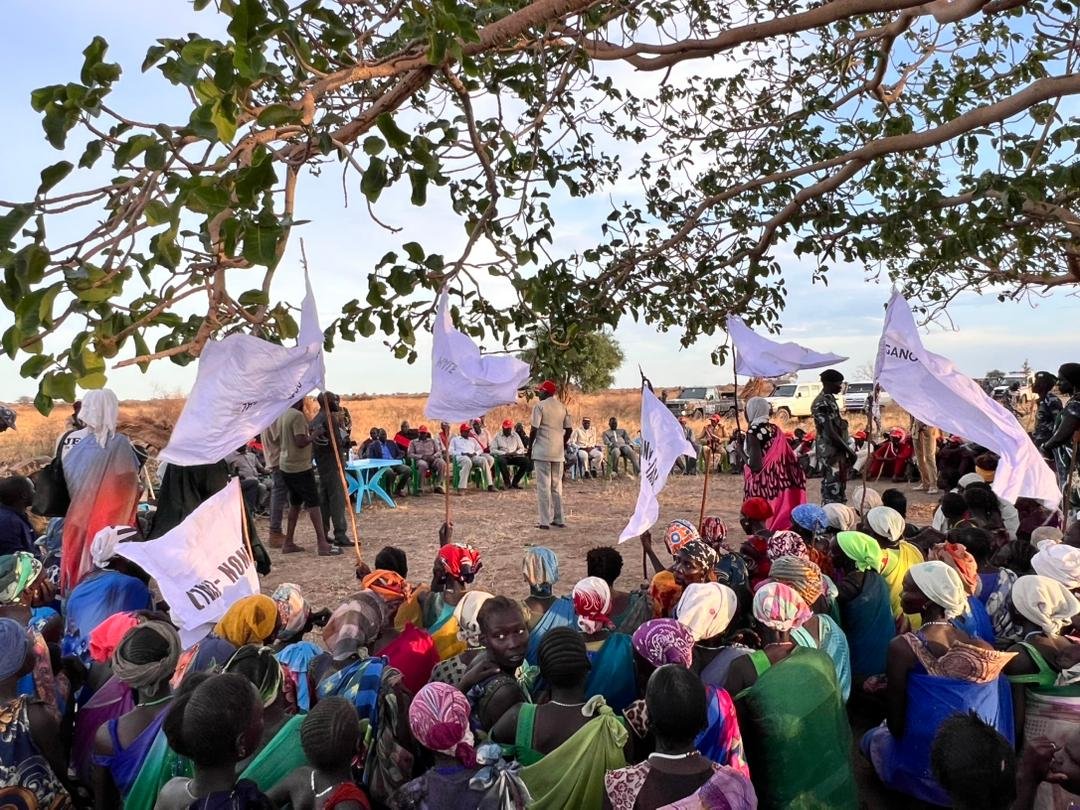
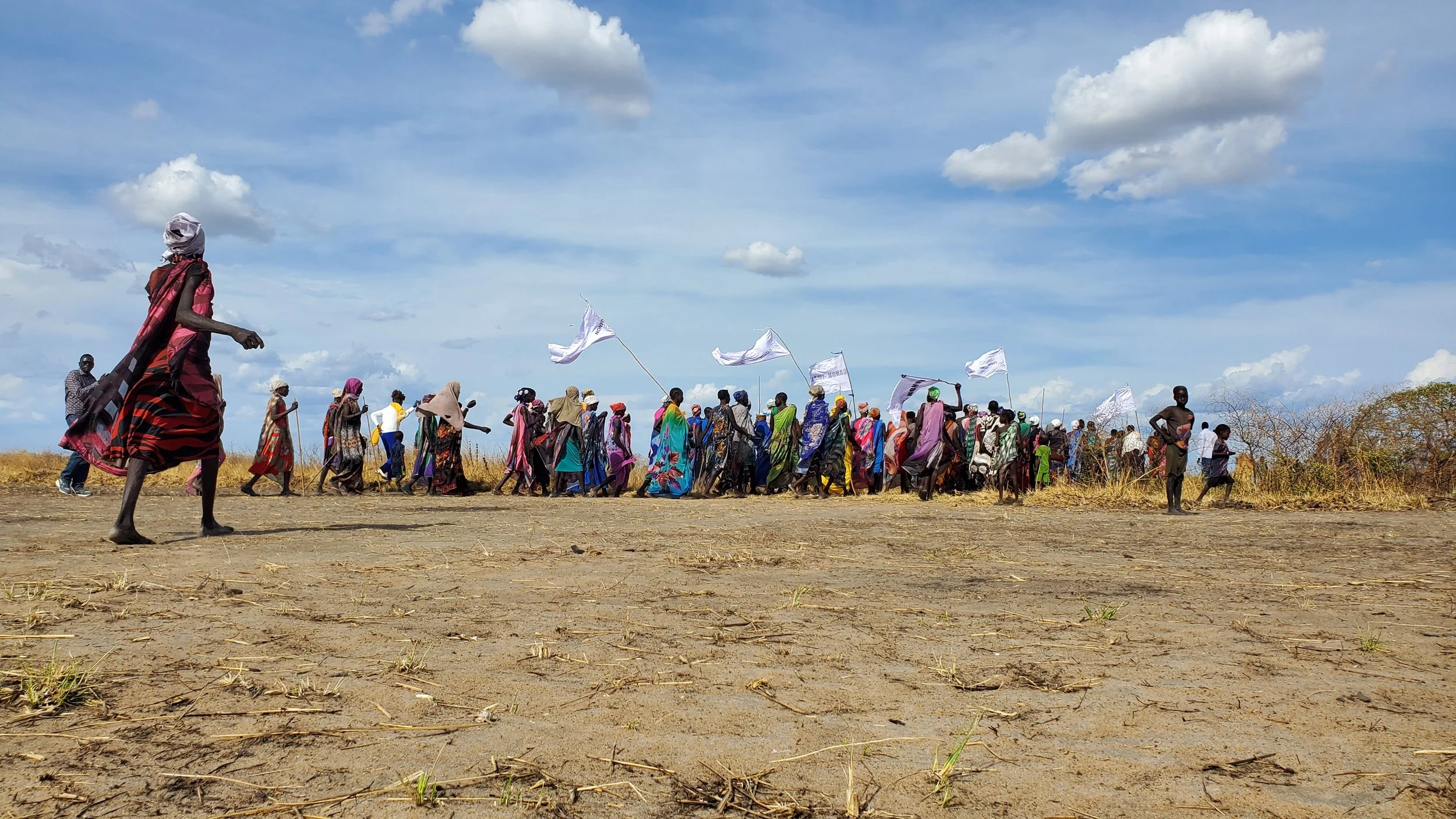
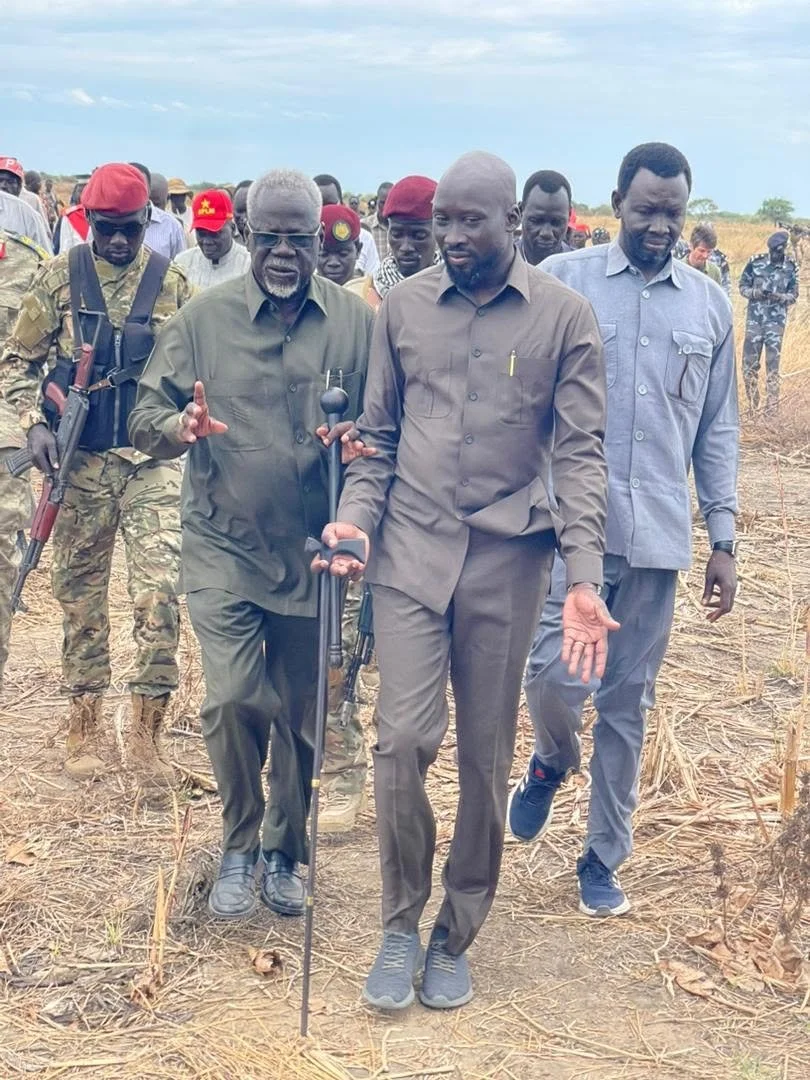
Representatives of the Dinka, Murle and Nuer communities came together in Bichibich, Greater Pibor Administrative Area (GPAA), from 24–27 March 2026 for the 9th Inter-Communal Governance Structures (ICGS) meeting. Bringing together women leaders, youth, chiefs, Commissioners and government representatives from Jonglei State and GPAA, the meeting reviewed progress since the previous session and agreed practical measures to strengthen cooperation in preventing cattle raiding, child and women abductions, road attacks and other forms of inter-communal violence.
For the first time, the meeting used portable interpreting equipment to enable smoother and more effective facilitation of the engagement between the three different languages.
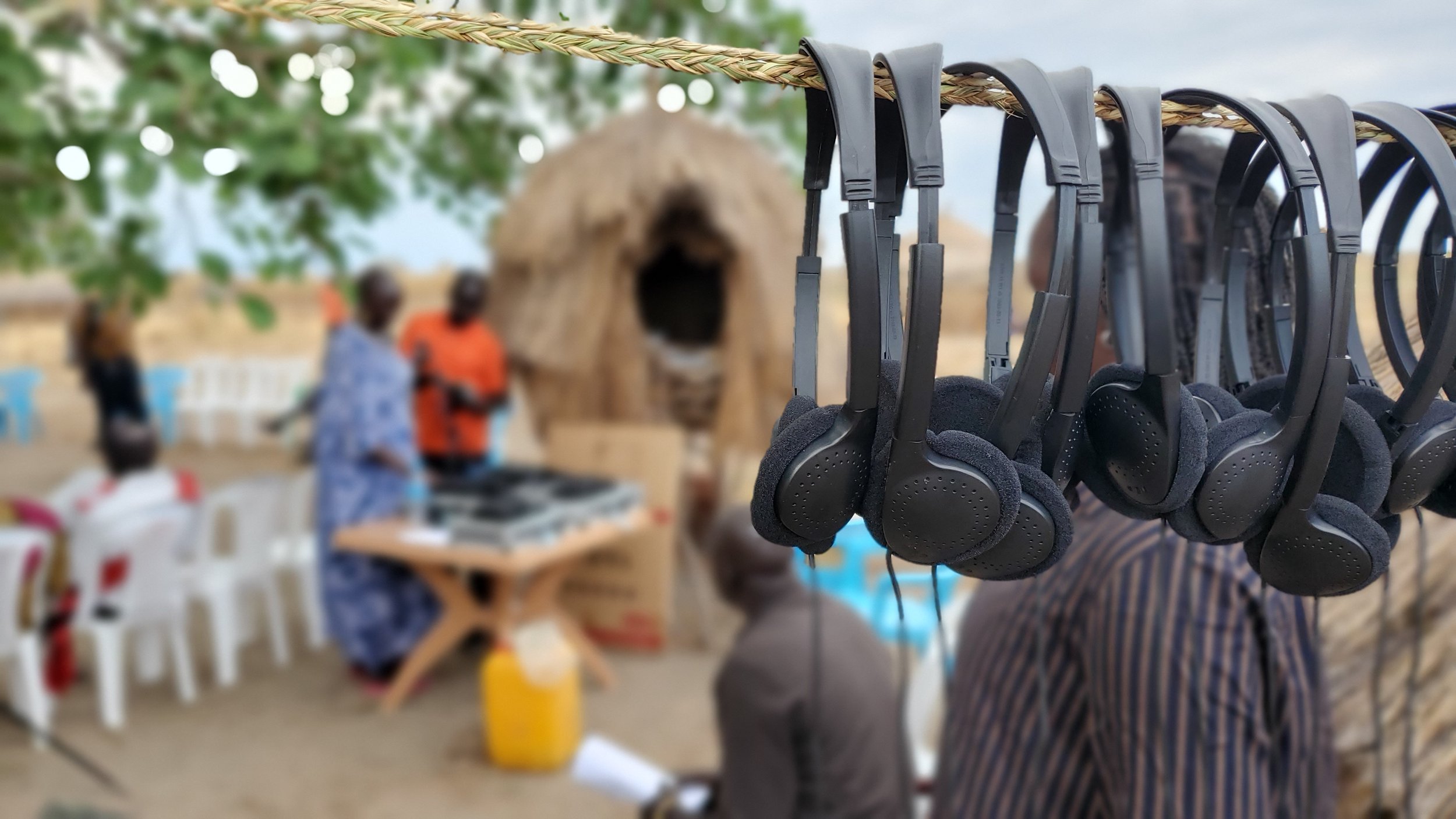
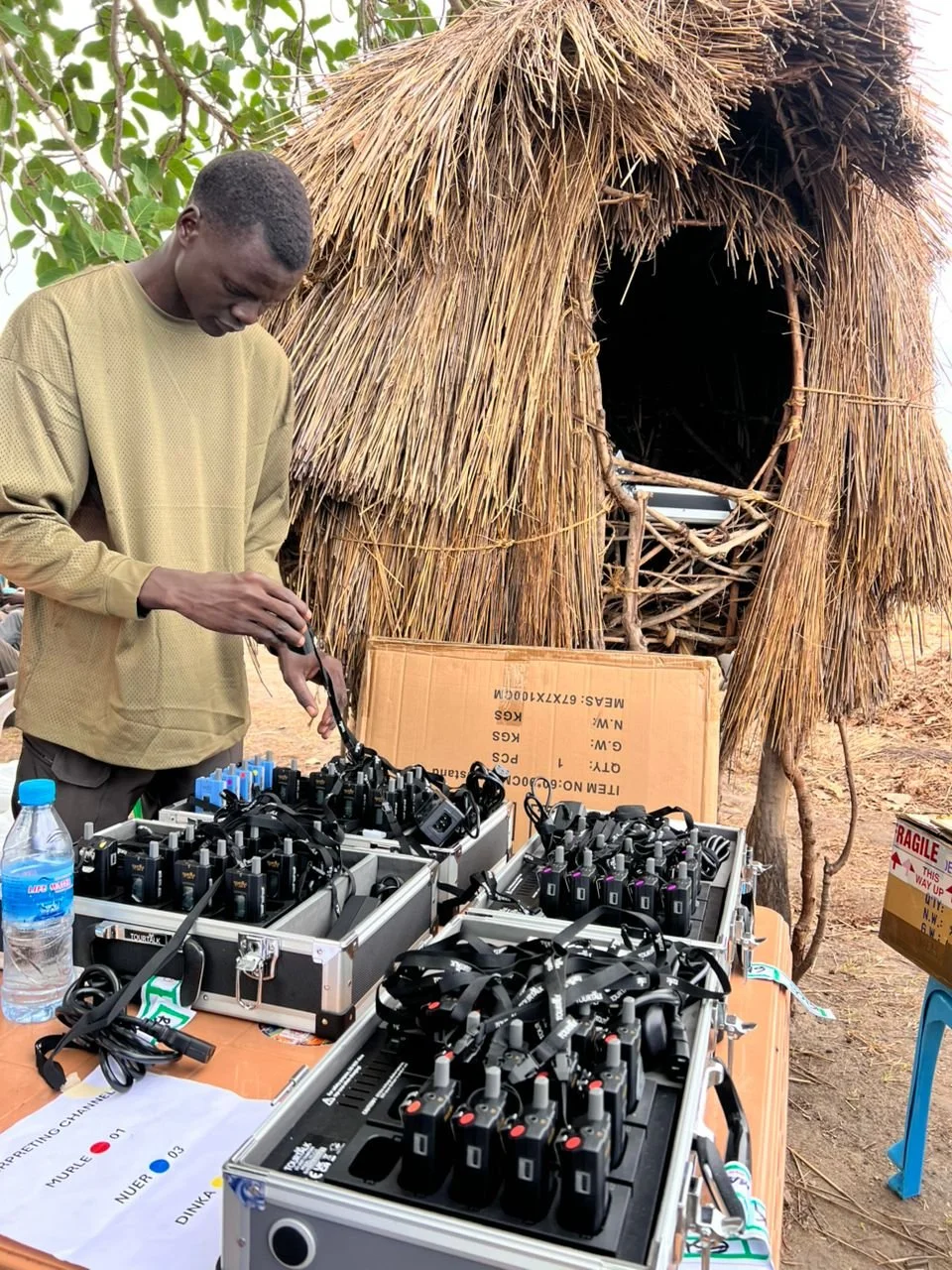
While participants acknowledged that insecurity and sporadic attacks continue to affect communities, they also recognised encouraging progress. Communities reported successful recovery of abducted women and children, selected road openings led by local youth, and stronger coordination between neighbouring counties. Building on these achievements, the meeting agreed a more structured accountability system, with named youth leaders, chiefs, women leaders and Commissioners responsible for maintaining regular communication, responding rapidly to incidents and supporting peaceful resolution before violence escalates.
The meeting was attended by H.E. Dr Riek Gai Kok, Governor of Jonglei State, and H.E. Gola Boyoi Gola, Chief Administrator of GPAA, demonstrating continued political commitment to community-led peacebuilding. During the meeting, the two leaders also witnessed the handover of the Bichibich Community Engagement Centre, ‘Kuyubuza’, established progressively over the last 18 months. The centres provide permanent spaces where communities can meet, strengthen dialogue and continue building peaceful relationships.
A major focus of the meeting was strengthening local systems for the recovery and safe return of abducted women and children. Recognising that long-term peace depends on local ownership, participants agreed clearer reporting channels, designated focal points and stronger coordination between community leaders and government authorities to ensure abductees can be safely identified, protected and returned to their families.
The discussions reinforced a simple message: sustainable peace cannot be achieved by government or peace partners alone. It depends on communities themselves taking responsibility, maintaining communication across conflict lines and acting together when incidents occur. Through the ICGS process, communities continue to demonstrate that dialogue, accountability and local leadership provide a practical pathway towards lasting peace across Jonglei and GPAA.